
Here's what switching looked like for Luis
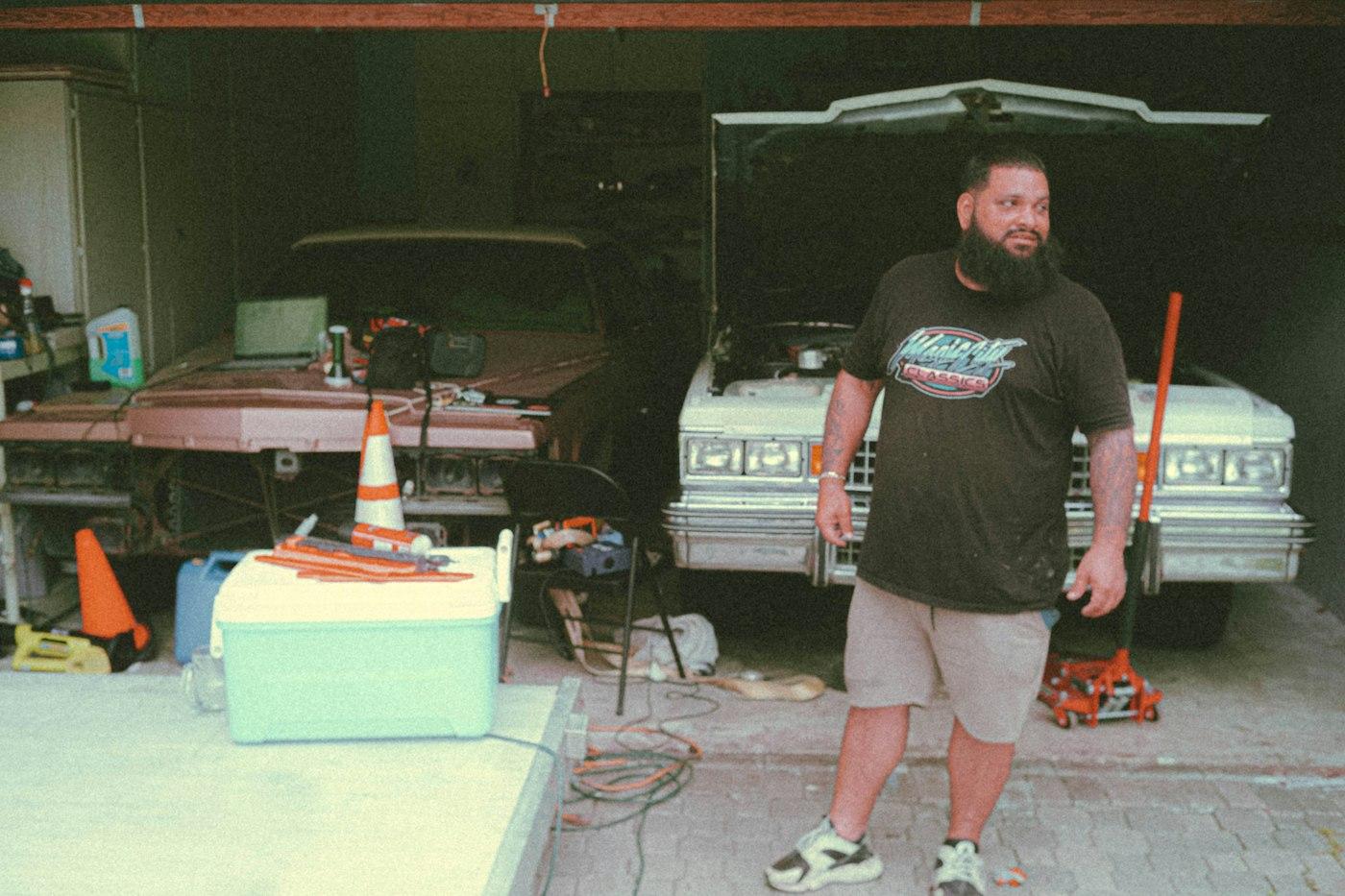
Luis owns Escambia Collision, a body shop in Pensacola. He'd been on the same processor for six years and figured switching would be a headache. These are the four steps it actually took.
1. He sent us his statement
We started with a 30-minute call and last month's statement. Of his $1,798 in fees, $1,363 came from credit cards, and surcharging covers that. His $15,000 in debit sales cost him $435 at 2.9%. At our flat debit rate it's about $225. We walked him through both numbers before he signed anything.
2. He filled out a short application
Four things, all of which he already had. He kept his bank account. Deposits go to the same place they always did.
Escambia Collision
We add 3% to credit card payments.
It's never more than what we pay to take the card.
Debit and cash: no extra charge.
3. We sent him his sign
Worded for Florida, ready to print. He taped one to the front door and one at the counter, and told his front desk the one sentence to say. We set up logins for him and his office manager.
4. He took his first payment
The first batch closed that night and landed in his bank the next business day. The net in the portal matched the deposit exactly, which is how it works every day.
What Luis asked before he switched
"Do I have to change banks?"
No. Deposits go to the business account you already use.
"Are my customers going to notice?"
They'll see the sign and the surcharge line on credit card receipts. People paying with debit pay exactly what they paid before.
"Who do I call if something goes wrong?"
The same people who set you up. You won't get bounced to a call center.
Stop paying 3% to get paid
Leave your number. We'll run your real statement and show you exactly what you'd keep.